
Choosing a fireplace is a big decision for any homeowner. It's not just about warmth; it's about ambiance, convenience, and long-term costs. When pitting gas fireplaces against electric fireplaces, the "best" option ultimately comes down to your personal priorities, budget, and desired use. In this blog post, we collaborated with Woodstove & Sun, a locally owned fireplace company serving Santa Cruz since 1982, to break down the key factors to consider in this cozy contest.
Key Comparison: Heat Output, Efficiency, and Cost
Gas direct vent and electric fireplaces offer fundamentally different heating experiences. Understanding these differences is crucial for selecting the right unit for your space.
Heat Output (BTUs):
- Gas direct vent fireplaces provide a high heat output, typically ranging from 20,000 to 40,000 BTUs. This makes them excellent for heating larger rooms or for effective zone heating, and can be used as a primary source of heat for your home.
- Electric fireplaces typically have a lower heat output, generally 5,000–9,500 BTUs. Their strength lies in providing effective supplemental heat for small to medium-sized rooms (up to around 400 square feet).
Energy Efficiency:
- Electric fireplaces are nearly 100% efficient because all the electrical energy they consume is converted directly into heat. There's no heat loss through venting.
- Gas fireplaces are highly efficient (typically 70–90%), but some heat inevitably gets lost through the venting system.
Operating Cost:
- The long-term operating cost depends on local utility prices. Generally speaking, gas is a less expensive fuel source per unit than electricity, making gas fireplaces typically cheaper to run for the same amount of heat. However, an electric unit used only for supplemental, intermittent heating might result in a lower total energy bill simply because it's used less and produces less heat overall.
Summary: Gas wins for sheer heating power; Electric wins for near-perfect energy efficiency.
Installation and Budget
The initial cost and installation complexity are where these two options diverge most significantly.
Installation:
- Electric Fireplaces are the clear winners for ease of installation. Many are plug-and-play, requiring no venting, gas lines, or complex infrastructure. Electric fireplaces do require a dedicated circuit from the electrical panel, but the process is generally relatively simple.
- Gas Fireplaces require professional installation, which involves running a gas line and installing a venting system. While the installation is more involved, it results in a permanent, high-performance heating solution with real flames and dependable warmth.
Budget:
- Electric Fireplaces have a significantly lower upfront cost. The unit and installation combined generally cost around $3,500.
- Gas Fireplaces require a larger initial investment. The unit itself, plus professional installation, often starts around $4,000 and can exceed $7,000, though they may offer lower running costs over their lifespan.
Summary: Electric is the clear choice for a tighter budget and simple installation.
Aesthetics and Ambiance
If you prioritize a realistic fire experience, your choice becomes easier.
- Gas fireplaces have real flames, providing the most authentic look and feel of a traditional wood-burning fire. They offer realistic log sets and generate radiant heat, further enhancing the cozy atmosphere.
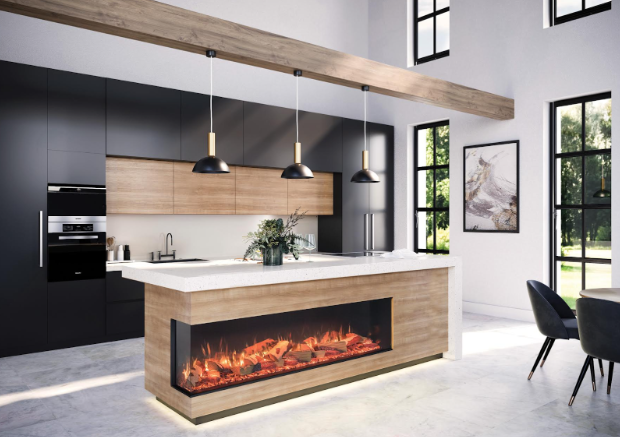
- Electric Fireplaces simulate a fire using LED technology, projection, or even water vapor. While modern units have made significant strides in realism, they don't fully replicate the dynamic glow and heat of a true fire. They typically offer highly customizable features such as flame color and intensity to match your décor.
Summary: Gas provides a superior, authentic ambiance.
Safety and Maintenance
Safety and maintenance are key long-term considerations for every fireplace owner.
Safety:
- Electric Fireplaces are considered the safest option. They produce no real flames, zero emissions, and remain cool to the touch, making them ideal for homes with children or pets.
- Gas fireplaces are a safe and reliable heating option when professionally installed and properly maintained. Modern safety systems and sealed venting designs ensure efficient operation, while protective screens and safety barriers allow homeowners to enjoy realistic flames and strong heat output with peace of mind.
Maintenance:
- Electric Fireplaces are virtually maintenance-free, requiring only occasional dusting.
- Gas Fireplaces require annual cleaning from a service technician to ensure the gas line, burner, and venting are all functioning safely and efficiently.
Summary: Electric fireplaces offer maximum simplicity and peace of mind, while gas fireplaces, when professionally installed and properly maintained, provide a safe, high-performance heating experience.
The Verdict: Which Fireplace is Best for You?
The best fireplace depends entirely on your needs:
- Choose Gas If: You prioritize a powerful radiant heat source, want the most authentic flame ambiance, and don't mind the higher upfront cost and annual maintenance.
- Choose Electric If: You are looking for a budget-friendly, easy-to-install unit for supplemental heating, prioritize zero maintenance, and prefer a modern aesthetic.
If you are looking for a simple, cost-effective way to add ambiance and supplemental heat to a room, the electric fireplace is the sensible choice. If you are building a new home or undertaking a major renovation and want a primary heat source with true fire realism, a gas fireplace is a worthy investment.
For more information, please visit our website and download our eBook: ‘A Guide To Hiring A Remodeler.’ Our eBook Guide provides additional resources and includes helpful Worksheets that will make the process of picking the right remodeling expert for the job stress-free. To get your own project started, get in touch with us or give us a call at (831) 566-9499.
Project Featured In This Blog: California Lifestyle