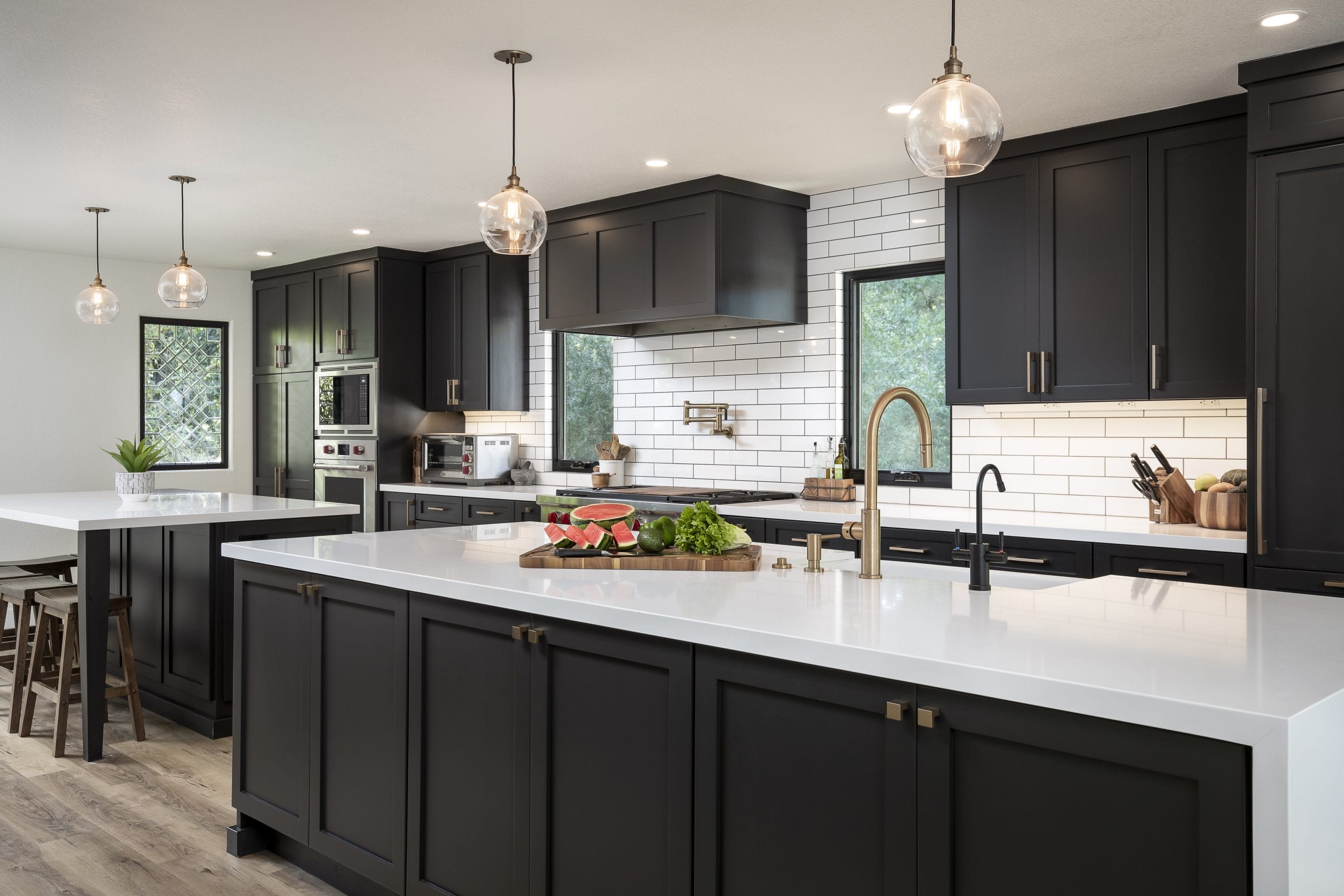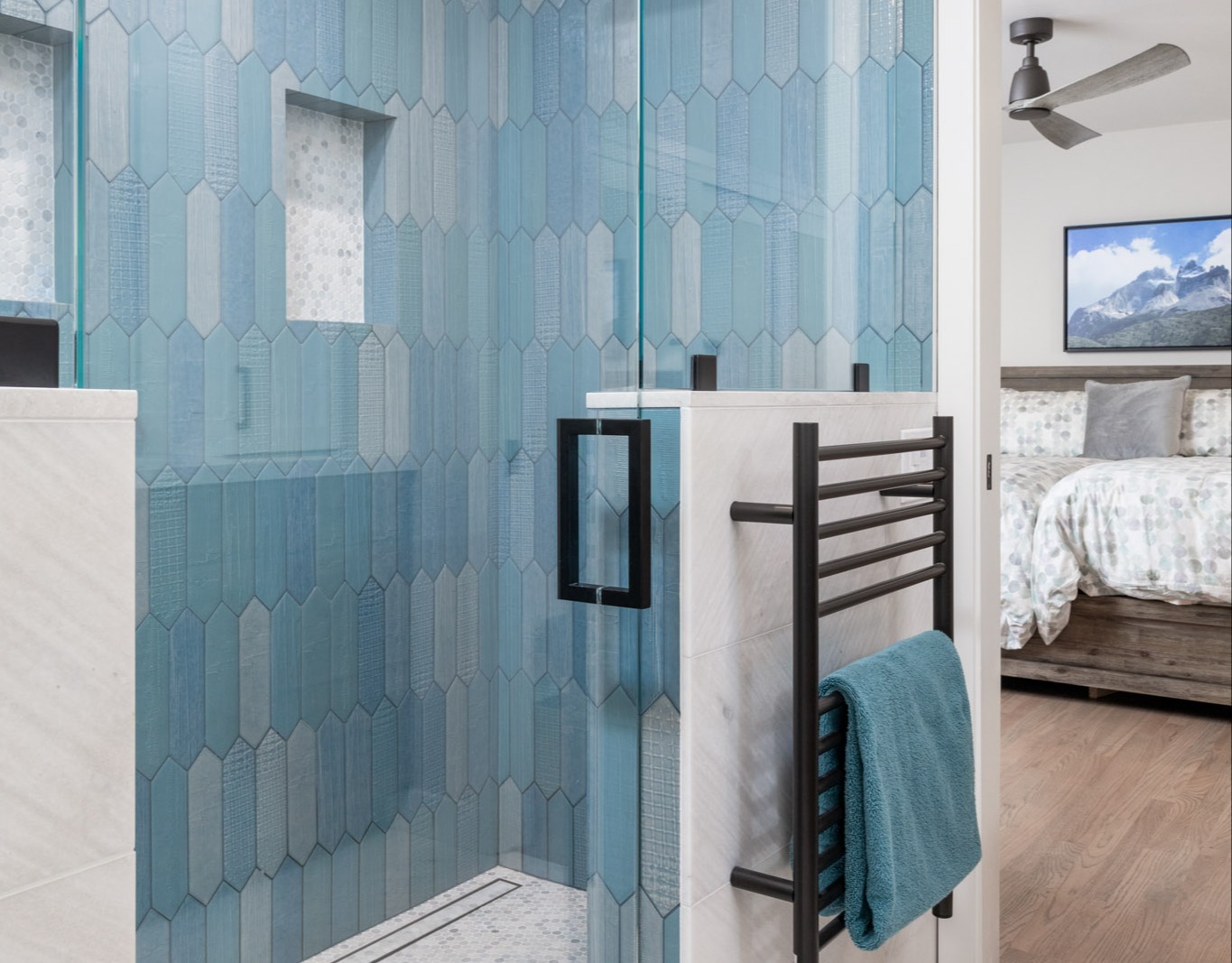
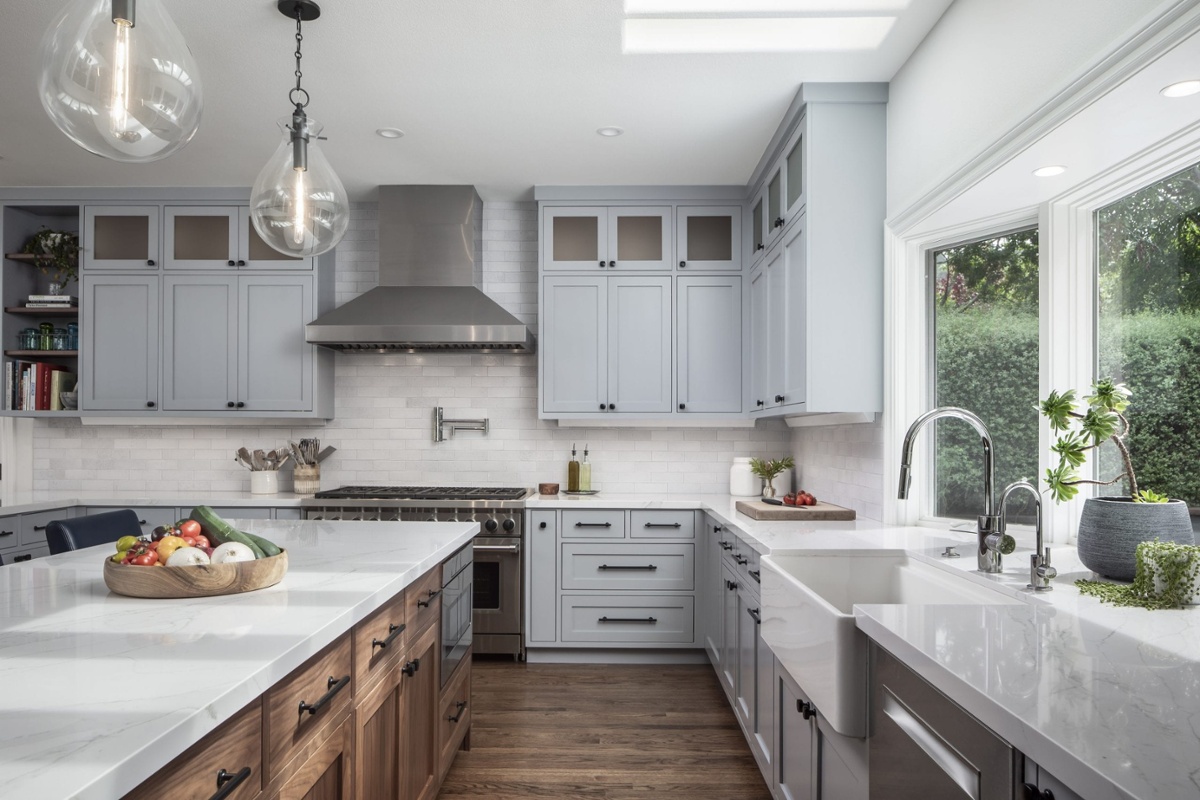
For years, kitchen design followed a simple rule: choose one metal finish and use it everywhere. Faucets, cabinet hardware, lighting—everything matched. The result was cohesive, but often predictable. Today, that rule has shifted.
Homeowners are increasingly choosing to mix metal finishes in their kitchens, intentionally selecting different colors for plumbing fixtures, cabinet hardware, lighting, and accessories. When done thoughtfully, mixed metals create a kitchen that feels layered, custom, and refined rather than overly uniform.
Mixing metals isn’t about helping a space stand out—it’s about giving it depth.
Why Mixed Metals Work So Well in Kitchens
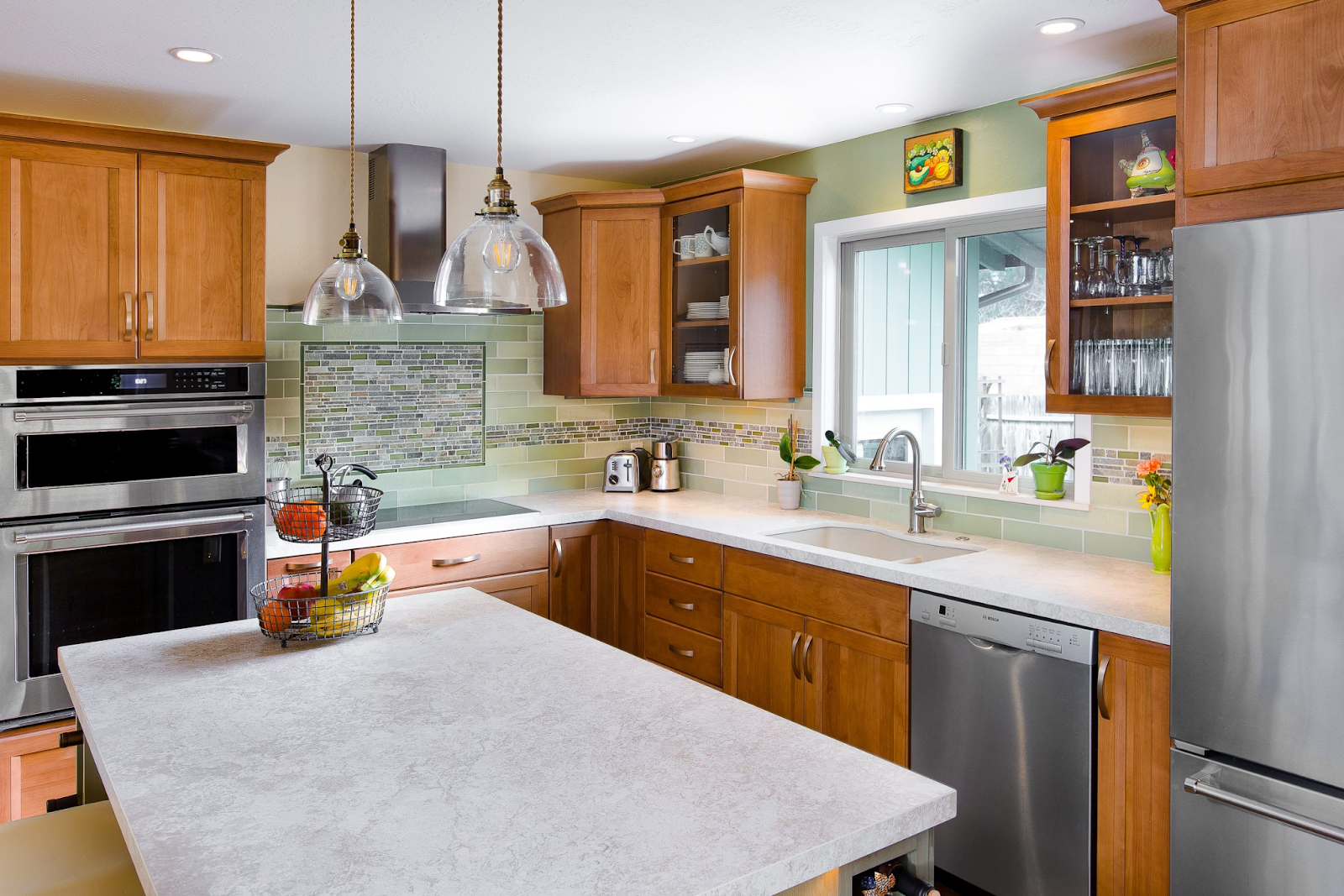
A kitchen is no longer just a functional workspace. It’s a gathering place, a focal point of the home, and often the most expressive room in the house. Using more than one metal finish allows the design to feel intentional without being overly styled.
Homeowners are drawn to mixed metals because they:
- Add contrast and visual interest.
- Avoid a “showroom” or builder-grade appearance.
- Highlight focal points like a statement faucet or island.
- Blend modern elements with timeless materials.
Rather than every element competing for attention, each metal serves a purpose within the overall design.
Where to Mix Metals for the Best Results
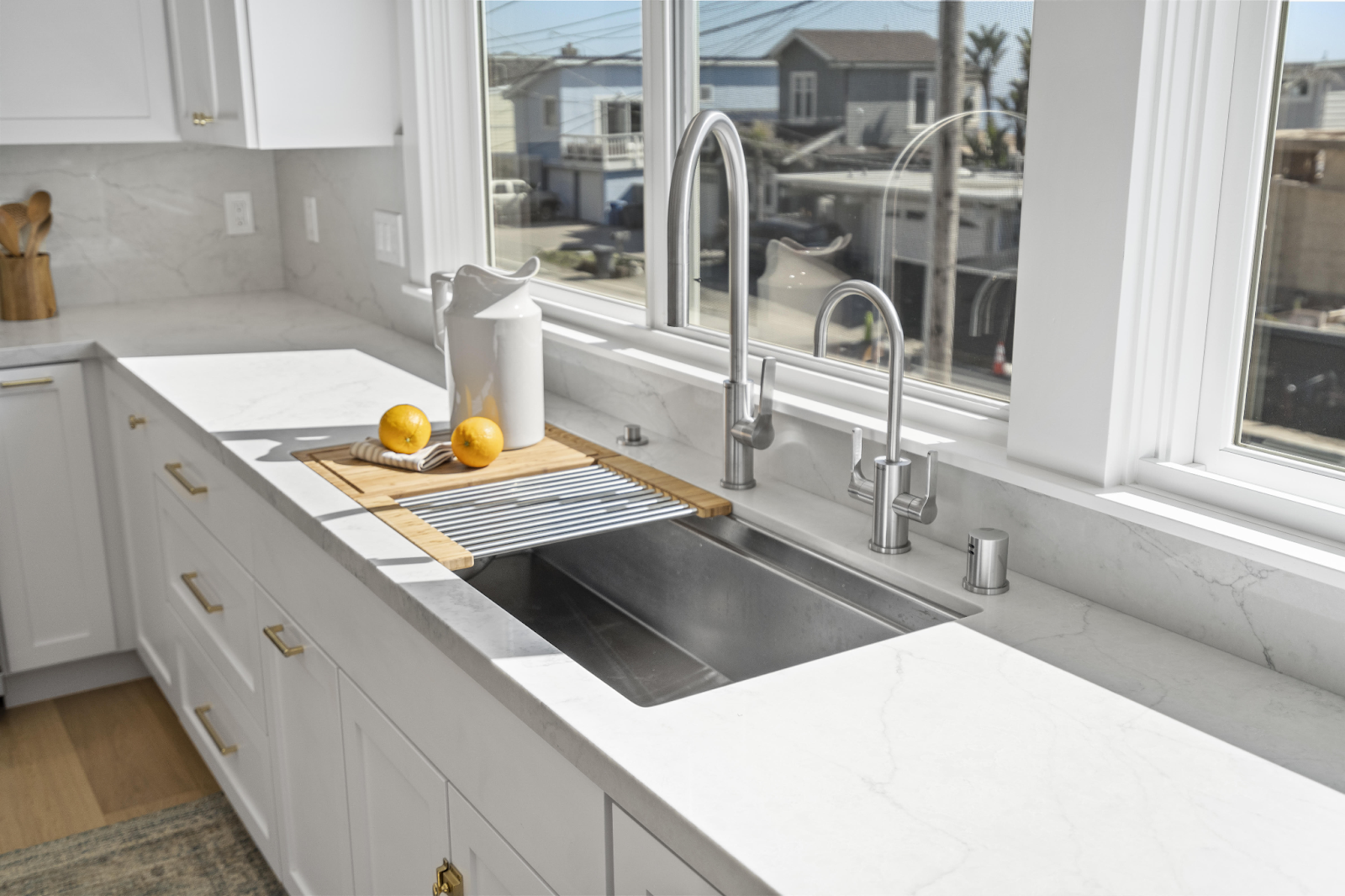
The key to success isn’t how many finishes you use—but where you use them.
Plumbing Fixtures
The kitchen faucet often becomes a natural focal point. Many homeowners choose a standout finish here, such as brushed brass or matte black, allowing it to visually ‘anchor’ the space.
Cabinet Hardware
Hardware is one of the easiest and most effective ways to introduce a secondary metal. Darker finishes on cabinetry can ground the room, while warmer tones add softness and warmth.
Lighting
Pendant lights and sconces help repeat finishes and tie the design together. Lighting is often where a secondary metal can shine without overwhelming the space.
Appliances
Stainless steel appliances act as a neutral backdrop. They don’t need to dictate every other finish and often pair beautifully with warmer metals elsewhere in the kitchen.
Simple Guidelines for Mixing Metals
Mixed metals work best when they’re planned—not accidental. A few design principles help keep the look cohesive:
- Limit the palette to two metals; three can work with careful balance.
- Choose one dominant finish and one supporting accent.
- Repeat each metal at least twice within the space.
- Pay attention to undertones—warm metals pair best with warm palettes, cool metals pair best with cool palettes.
When these elements are considered early in the design process, the finished kitchen feels intentional and timeless.
A Mark of Custom Design
One reason mixed metals have become so popular is that they don’t feel mass-produced. They signal a kitchen that’s been thoughtfully designed around the homeowner’s style and the architecture of the home.
This is an approach we regularly guide clients through at Lewis Design Build Remodel, where design decisions are made holistically—considering materials, finishes, and function together to create kitchens that feel cohesive and personal.
Final Thoughts
If you’re planning a kitchen remodel and find yourself torn between finishes, you don’t have to choose just one. With thoughtful planning and the right balance, mixing metals can elevate a kitchen from standard to truly custom.
Thinking About A Kitchen Remodel?
We’d love to help you explore design options that fit your home, your lifestyle, and your vision. For more information, please visit our website and download our eBook: ‘A Guide To Hiring A Remodeler.’ Our eBook Guide provides additional resources and includes helpful Worksheets that will make the process of picking the right remodeling expert for the job stress-free. To get your own project started, get in touch with us or give us a call at (831) 566-9499.
Project Featured In This Blog: Function and Efficiency