

So, you’re finally doing it. You’re updating that cramped kitchen, giving your primary bathroom a spa-like overhaul, or completely transforming your home into the space of your dreams. You’ve picked your materials, finalized your budget, and hired a contractor you trust. But before the first sledgehammer swings, there is one more crucial system you need to build: your communication channel.
1. Set Communication Expectations From Day One
2. Manage Change Orders With Confidence
3, Keep A Visual Paper Trail
4. Schedule Regular Check-Ins
5. Address Concerns Early
6. Understand Their Language
As an expert with 20 years of experience in the home remodeling and design industries, we know what makes or breaks a home renovation, and it isn’t the tile selection or the plumbing fixtures … It’s communication. Misunderstandings can quickly turn a dream project into a stressful, budget-busting nightmare.
Here is your step-by-step guide to keeping the lines of communication wide open, ensuring your project finishes on time, on budget, and exactly as you envisioned.
1. Set Communication Expectations from Day One
Don’t assume your contractor communicates the same way you do. Some prefer text messages at 8:00 AM; others want a formal email at the end of the week. Before any demolition begins, sit down and establish a clear framework.
- Choose a primary channel: Agree on one central place for critical updates. If you discuss structural changes via text, design choices over the phone, and budgets via email, important details will get lost. Decide if your hub will be an email, a text thread, or a dedicated construction management app.
- Project management tools: Some home remodeling companies use an online project management tool, making it easy to keep all information regarding the project in one place. At Lewis Design Build Remodel, we use a tool called BuilderTrend. This robust platform allows our customers to access a working schedule, daily logs, change orders, messaging, and more.
- Establish working hours: Renovations are stressful, and you might get a middle-of-the-night idea about lighting placements. Resist the urge to text your contractor at midnight. Agree on a window (e.g., 8:00 AM to 5:00 PM) for non-emergency communication to respect everyone's boundaries.
- Define an "emergency": A burst pipe at 8:00 PM is an emergency. Remembering you wanted brushed brass instead of matte black handles is not. Know who to call and when if something genuinely goes wrong.
2. Manage Change Orders with Confidence
In home remodeling, spoken words are like dust in the wind: they can just disappear at times. If you stand in your unfinished kitchen and say, "Hey, while you're at it, let's bump this island out another six inches," and the contractor nods, you haven't just made a change. You've created a massive potential for a misunderstanding.
Every single deviation from the original signed contract requires a formal Change Order.
What is a Change Order? A written document that explicitly details the modification to the original scope of work, the exact cost adjustment (positive or negative), and any changes to the project timeline.
Never allow work on a modification to begin until both you and the contractor have signed off on the Change Order document. This keeps your budget transparent and prevents a shocking bill at the end of the project. We have a very simple, but thorough change order process at Lewis Design Build Remodel, ensuring you stay informed and the project stays on track.
3. Keep a Visual Paper Trail
When it comes to design, words can be incredibly subjective. Your idea of "modern farmhouse" might look like "rustic cabin" to your contractor. Your vision of a "subtle gray" paint might look stark blue under their work lights.
To combat this, communicate visually:
- Provide photos: Use platforms like Pinterest or Houzz to show exactly what you want. Show, don't just tell.
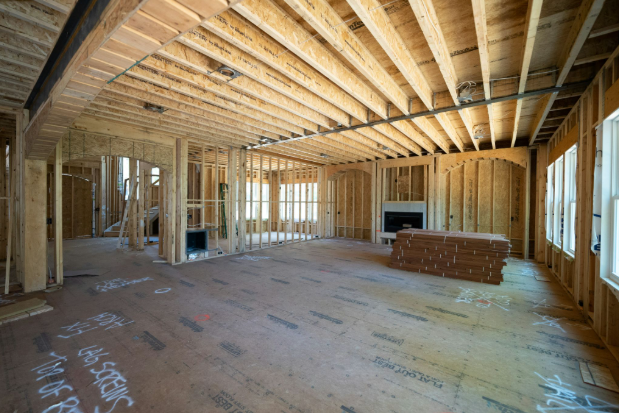
- Document the "unseen": Take your own photos of the walls while they are stripped down to the studs. A photograph of where the plumbing lines, electrical wiring, and HVAC ducts run before the drywall goes back up. It’s an invaluable visual reference for both you and your contractor later on.
4. Schedule Regular Check-Ins
You don’t need to check in with the crew every hour or track every detail with a clipboard. Giving the team space to do their work while staying connected and available helps build trust and a stronger working relationship. Instead, build structured check-ins into the project timeline.
1. The Daily Brief (5 minutes): A quick morning chat with the site supervisor or lead carpenter. Ask a simple question: "What is the main goal for today, and are there any decisions you need from me?"
2. The Weekly Walkthrough (30–45 minutes): Schedule a formal, end-of-week walkthrough with the general contractor. Review the progress against the schedule, address any unexpected hurdles behind the walls, and look at upcoming material deliveries.
3. Pre-Drywall Review (Before closing walls): The ultimate milestone check. Once plumbing and electrical "rough-ins" are done but before the drywall hides them, walk the space to verify outlet placements, switch locations, and plumbing alignment.
5. Address Concerns Early
If you walk through your job site in the evening and notice something that looks incorrect, for example, the tile pattern is running vertically instead of horizontally, do not wait.
It can be uncomfortable to point out flaws, but catching a mistake when the mortar is fresh takes ten minutes to fix. Waiting until next week means tearing out dried thinset, ruining drywall, re-ordering materials, and delaying the project by weeks.
Approach the conversation with curiosity rather than accusation. Try saying: "I noticed the tile is being laid this way. Let's look back at the design plan together to make sure we're on the same page."
At Lewis Design Build Remodel, we pride ourselves on creating a home remodeling experience that ensures our customers feel truly heard. We encourage you to communicate with us so we can ensure your home transformation doesn’t just meet your expectations, but exceeds them.
6. Understand Their Language
A little empathy goes a long way. Contractors manage complex webs of trade partners (plumbers, electricians, drywallers), material supply chains, and municipal building inspectors.
When a contractor tells you a fixture is "backordered," or that an inspector can't come out until Thursday, understand that they are often at the mercy of external timelines. Clear communication means listening as much as talking. Ask them why a delay is happening and how it shifts the rest of the puzzle pieces, so you can adjust your own expectations accordingly.

The Payoff
A successful remodel requires a partnership. By setting clear boundaries, putting everything in writing, and establishing a predictable rhythm for updates, you remove the guesswork. You'll protect your financial investment, keep your sanity intact, and build a great working relationship with the pros transforming your home.
For more information, please visit our website and download our eBook: ‘A Guide To Hiring A Remodeler.’ Our eBook Guide provides additional resources and includes helpful Worksheets that will make the process of picking the right remodeling expert for the job stress-free. To get your own project started, get in touch with us or give us a call at (831) 566-9499.
Project Featured In This Blog: Where Curves Meet Craftsmanship
.jpg)
