The concept of "aging in place" is gaining significant traction, and for good reason. Who wouldn't want to live comfortably and independently in their own home for as long as possible? While many focus on ramps and wider doorways, the bathroom is frequently overlooked despite being one of the most crucial areas for safety and accessibility. Designing an age-in-place bathroom means creating a space that is not only beautiful but also functional and safe for every stage of life.
Let's explore some key elements to consider when transforming your bathroom into a future-proof oasis.
The Foundation: Understanding Age-in-Place Design
At its core, age-in-place design is about proactive planning. It anticipates future needs without sacrificing aesthetics or current comfort. For bathrooms, this translates to minimizing obstacles, enhancing safety features, and ensuring all essential elements are easily accessible. The goal is to create a space where everyone can navigate with ease and confidence.
Secure Support: Grab Bars
Grab bars are often associated with hospitals or assisted living facilities, but modern designs have made them sleek, stylish, and an indispensable safety feature for any age-in-place bathroom. Strategically placed grab bars provide stability when getting in and out of the shower or tub, and using the toilet.
Where to install them:
- Inside the shower/tub: Vertical and horizontal bars for ease of entry and exit.
- Next to the toilet: For support when sitting down or standing up.
- Near the vanity: Offering stability when bending or reaching.
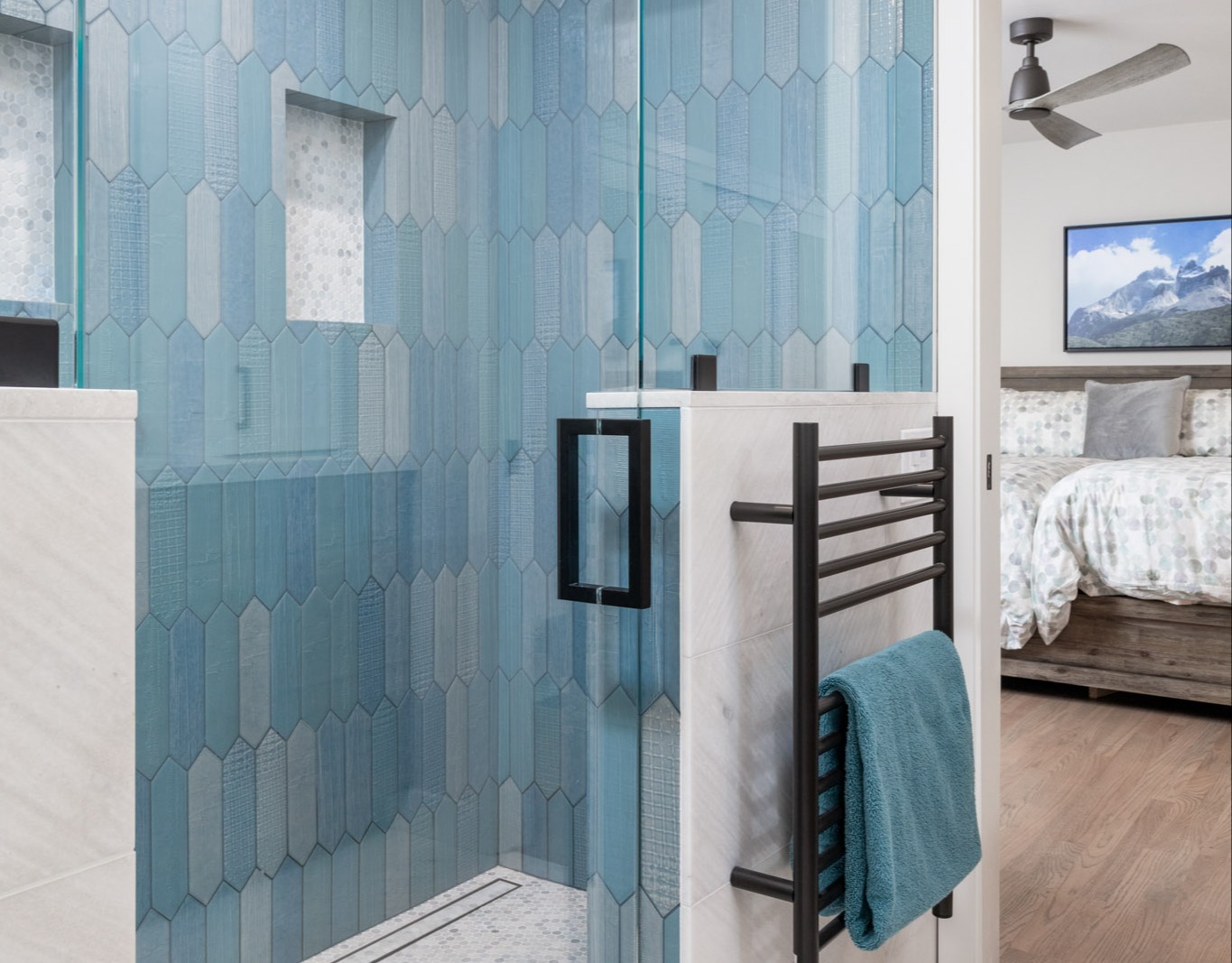
Choose styles that blend seamlessly with your décor, perhaps even doubling as towel racks.
Step Safely: Non-Slip Surfaces
Slippery floors are a leading cause of bathroom accidents. Prioritizing non-slip surfaces is a simple yet incredibly effective way to enhance safety.
Consider these options:
- Textured tiles: Porcelain or ceramic tiles with a matte finish or subtle texture provide better grip than highly polished surfaces.
- Vinyl flooring: Many luxury vinyl tile (LVT) or sheet vinyl options offer excellent water resistance and a naturally less slippery surface.
- Non-slip mats: While useful, permanent solutions are always preferable. If using mats, ensure they are securely adhered to prevent tripping hazards.
Seamless Entry: Curbless Walk-In Showers
The traditional shower curb, while small, can become a significant barrier over time. A curbless walk-in shower eliminates this obstacle entirely, creating a smooth, uninterrupted transition from the bathroom floor into the shower.
Benefits:
- Easy access: Ideal for individuals using wheelchairs, walkers, or those with limited mobility.
- Spacious feel: Creates a more open bathroom, making it feel larger and more inviting.
- Modern aesthetic: Offers a sleek, contemporary look that can add value to your home.
Ensure the floor is sloped towards the drain to prevent water from pooling outside the shower area.
Comfortable Seating: Shower Benches/Chairs
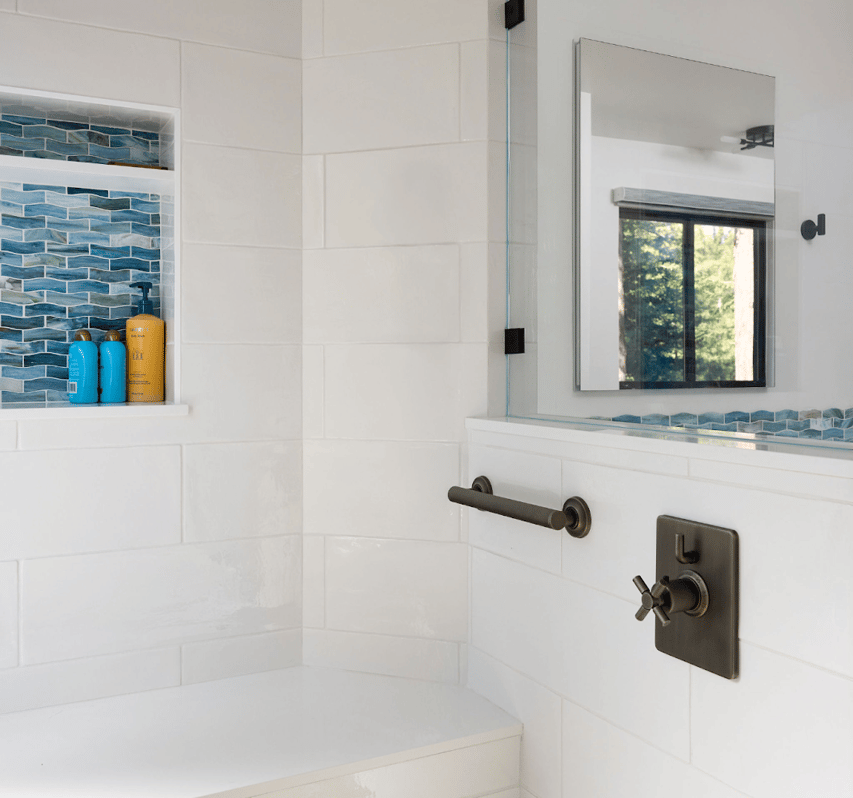
Having a place to sit in the shower can significantly improve comfort and safety, especially for those who find standing for extended periods of time challenging.
Options include:
- Built-in benches: A permanent, tiled bench offers a luxurious feel and sturdy support.
- Fold-down seats: These are discreet and can be folded away when not in use, perfect for smaller bathrooms.
- Portable shower chairs: A versatile option that can be removed if needed, but always ensure it has non-slip feet.
A shower bench provides a secure spot to rest, allowing for a more relaxed and independent showering experience.
Illuminate with Intention: Proper Lighting
Good lighting is crucial in any bathroom, but it's especially vital in an age-in-place design to reduce shadows and improve visibility.
Key lighting considerations:
- Bright, even illumination: Install overhead lighting that provides ambient light throughout the entire space.
- Task lighting: Vanity lights should be bright and positioned to minimize shadows on the face, aiding with grooming tasks.
- Night lights: Consider motion-activated night lights or low-level strip lighting to safely navigate the bathroom in the dark.
Avoid harsh glares and opt for warm, diffused light sources.
Everything in Reach: Storage Accessibility
Accessible storage means that frequently used items are easy to retrieve. Reducing excessive bending, reaching, or stretching is a simple and effective way to create a safer and more efficient space.
Tips for accessible storage:
- Lower vanity heights: Consider a vanity that is slightly lower than standard or one with varying heights.
- Drawer pull-outs: Instead of deep cabinets, opt for drawers or shelves with pull-out mechanisms to bring items forward.
- Open shelving: For frequently used items, open shelving makes them immediately visible and reachable.
- Lever handles: Replace traditional doorknobs and faucet handles with lever-style options, which are easier to operate for those with limited grip strength.
Designing an age-in-place bathroom is an investment in your future comfort, safety, and independence. By incorporating these thoughtful elements, you can create a beautiful and functional space that will serve you well for many years to come.
We’d love to help you explore design options that fit your home, your lifestyle, and your vision. For more information, please visit our website and download our eBook: ‘A Guide To Hiring A Remodeler.’ Our eBook Guide provides additional resources and includes helpful Worksheets that will make the process of picking the right remodeling expert for the job stress-free. To get your own project started, get in touch with us or give us a call at (831) 566-9499.
Project Featured In This Blog: Old World Goes Modern